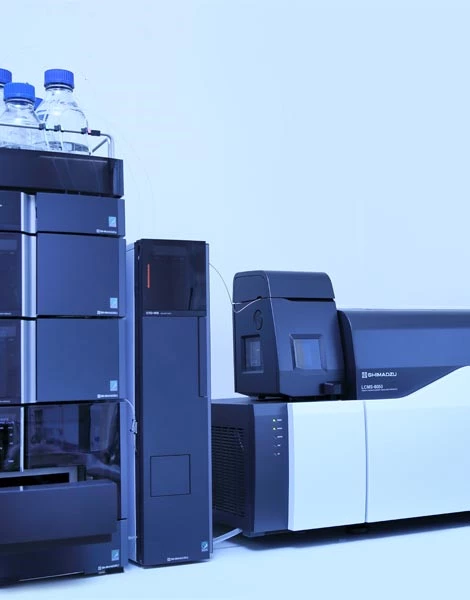
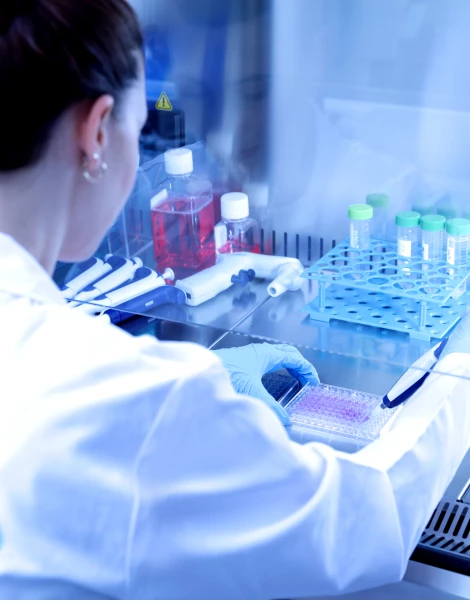
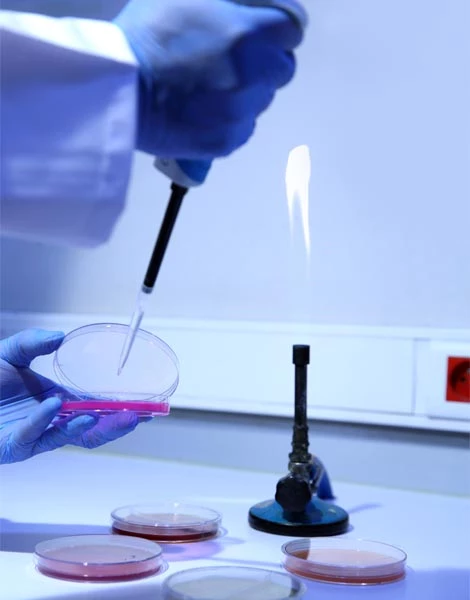
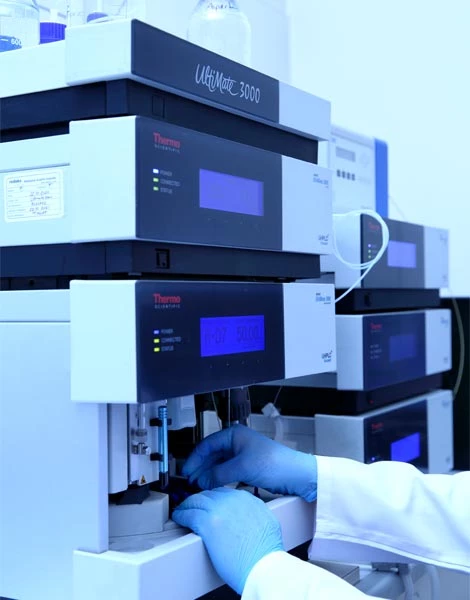
Biocidal Analyses

Active Ingredient Tests
Irritation Analyses
Irritation Analyses
Biological Activity and Stability Analyses
Antibacterial Efficacy Evaluation Tests
Virucidal Efficacy Analyses

Frequently Asked Questions

  • What is biocidal analysis?

    Biocidal analysis comprises laboratory tests that determine the efficacy, safety and regulatory compliance of disinfectants, antiseptics and other biocidal products. The aim is to verify that products are effective against micro-organisms and safe to use.

  • Why are biocidal analyses important?

    These analyses are critically important for human health and environmental safety. If products are ineffective or harmful, both consumer health is endangered and legal penalties may apply.

  • Which products are subject to biocidal analysis?

    Disinfectants, antiseptics, surface cleaners, hand hygiene products, and pest and harmful-organism control products fall within the scope of biocidal analysis. Licensed products from Type 1 to Type 21 require authorisation from the Ministry of Health.

  • What parameters are tested in biocidal products?

    Antimicrobial efficacy, toxic substances, pH, stability, shelf life and product composition are among the parameters analysed. These tests are necessary for product safety and regulatory compliance.

  • What are the analysis methods?

    Biocidal analysis employs microbiological tests (bacteria, fungi), chemical analyses and stability tests. They are carried out within the framework of ISO, EN and GLP standards.

  • Why are microbiological tests important?

    Microbiological tests verify that the product is effective against bacteria, fungi and other pathogens. Ineffective products can pose a health risk.

  • What do chemical tests cover?

    The quantity of toxic or harmful chemicals in biocidal products and whether they are at safe levels are analysed. These tests are critically important for both human and environmental safety.

  • How long does the analysis take?

    The duration of biocidal analysis depends on the scope of the tests. Simple efficacy and chemical tests generally take 3–5 days, while comprehensive stability and toxicity analyses may take 1–2 weeks.

  • Why are the tests necessary for legal compliance?

    Biocidal products are subject to regulations for human and environmental health. Analysis reports carry official validity for CE marking and legal permits.

  • Is analysis mandatory for imported biocidal products?

    Yes, accredited laboratory reports are required to document the safety and regulatory compliance of imported products.

  • How are inspection and analysis reports used?

    Reports are used as official evidence in product labelling, legal permits and export processes. They also serve as a guide in product development and quality control.

  • How are analysis prices determined?

    Prices depend on the number of samples, the scope of the tests and the analysis method. Comprehensive tests may be more costly, but they are mandatory for product safety and legal compliance.

  • What is the importance of biocidal products for human health?

    Effective and safe biocidal products reduce the risk of infection and disease. Analyses guarantee the use of products that are effective against harmful micro-organisms.

  • Why are stability tests important?

    Stability tests demonstrate that the product maintains its efficacy and remains safe throughout its shelf life. If the product becomes ineffective, hygiene and health risks increase.

  • What are the advantages of analysis at accredited laboratories?

    Tests performed according to ISO/IEC 17025 are reliable, have official validity and are accepted in legal inspections. Accredited laboratory results are critically important in export and certification processes.