
Gluten Testing and Analysing
Gluten testing and analysing are essential for determining the quality and performance characteristics of flour, grain, and food products. Wet gluten analysis is particularly useful for evaluating dough strength, processing behavior, and consistency in production. These tests provide important data for quality control, product development, and compliance with food industry standards. Reliable laboratory analysis helps manufacturers assess raw material suitability and maintain stable production performance. It also supports better decision-making in milling and food processing operations. By understanding gluten characteristics more clearly, businesses can improve end-product quality, meet customer expectations, and strengthen confidence in their manufacturing and quality assurance processes.
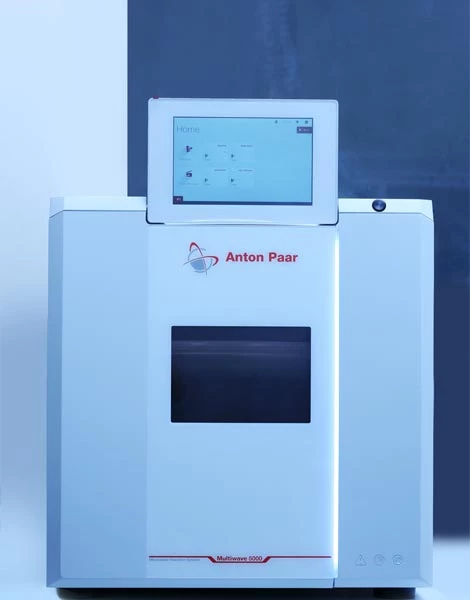
Gluten testing help assess flour and grain quality, consistency, and processing performance with reliable lab methods.
Frequently Asked Questions
-
What is olive oil analysis?
Olive oil analysis is a laboratory evaluation used to assess the quality, composition, and overall characteristics of olive oil. It may include chemical and nutritional analysis to understand product properties more clearly. This testing helps producers, exporters, and brands verify consistency, support product claims, and better understand the technical profile of their olive oil.
-
What is included in olive oil nutritional analysis?
Olive oil nutritional analysis generally focuses on the nutritional components that help describe the product’s food value and composition. It may include key nutritional parameters used for labeling, internal quality checks, or product evaluation. This analysis is especially useful for brands that want to better present olive oil characteristics to customers and commercial buyers.
-
How is olive oil chemical analysis performed?
Olive oil chemical analysis is performed by collecting a representative sample and examining it in a laboratory using suitable analytical methods. The testing process focuses on the oil’s measurable chemical properties and quality indicators. Results are then interpreted according to the product’s intended use, technical expectations, customer requirements, or internal quality specifications.
-
What does gluten testing help determine?
Gluten testing helps determine how a grain or flour-based product may perform in processing and how consistent it is from batch to batch. Depending on the method, it can provide information about gluten quantity or quality-related characteristics. This makes it useful for production planning, supplier evaluation, and technical product classification.
-
Who needs wet gluten analysis lab services?
Wet gluten analysis lab services are useful for flour mills, bakeries, grain traders, pasta manufacturers, food producers, cooperatives, and quality control departments. These businesses rely on laboratory results to assess raw material suitability and product consistency. The analysis is especially valuable where flour performance has a direct impact on manufacturing outcomes.
-
How does gluten testing support quality control?
Gluten testing supports quality control by providing measurable laboratory data about flour and cereal performance. It helps identify variations in incoming materials, compare production lots, and reduce uncertainty in processing outcomes. With regular testing, businesses can improve consistency, reduce quality complaints, and make more informed decisions about blending, purchasing, and production settings.
-
What affects the cost of gluten testing?
The cost of gluten testing depends on the number of samples, product type, testing scope, reporting requirements, and turnaround time. Routine single-parameter analysis may cost less than broader quality evaluation programs. Additional documentation, repeated batch testing, or urgent service requests can also influence the final laboratory price and project planning.
-
Can wet gluten analysis help with supplier evaluation?
Yes, wet gluten analysis can help with supplier evaluation by showing whether flour or grain materials meet expected technical performance levels. Laboratories provide data that helps buyers compare sources more objectively and identify consistency differences between suppliers. This makes the analysis valuable for procurement decisions, incoming material control, and long-term quality assurance programs.
Get in touch now
Contact our expert team for your R&D studies and testing needs, let's bring your projects to life together.