
Azo Dyestuff Test
Azo dyestuff testing is carried out to detect restricted azo colorants in textiles, leather, toys, and other consumer products. These substances are closely monitored because they may release harmful aromatic amines under certain conditions, creating potential health and compliance concerns. Testing plays a key role in protecting consumers and helping businesses meet regulatory requirements in local and international markets. During the analysis process, product samples are evaluated with reliable laboratory methods to determine whether restricted compounds are present. For manufacturers, importers, and exporters, azo dyestuff testing is an essential part of quality assurance and supports the safe placement of products on the market.
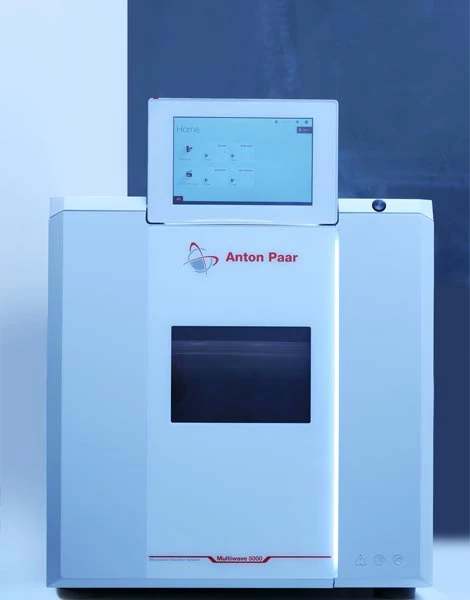
Azo dyestuff testing detects restricted colorants in textiles, leather, and consumer products to support safety and compliance requirements.
Frequently Asked Questions
-
What is an Azo Dyestuff Test?
An Azo Dyestuff Test is a laboratory analysis used to detect restricted azo colorants in textiles, leather, footwear, and other dyed materials. These substances may break down into certain aromatic amines under specific conditions. The test helps evaluate chemical safety, product compliance, and whether dyed goods are suitable for regulated markets
-
Why is Azo Dyestuff Testing important?
Azo Dyestuff Testing is important because some azo dyes may release substances that are restricted in many markets due to health concerns. Testing helps manufacturers and importers verify product safety before sale. It also supports quality control, buyer confidence, and smoother access to markets with strict chemical compliance requirements.
-
Which products need an Azo Dyestuff Test?
An Azo Dyestuff Test is commonly required for textiles, garments, children’s clothing, leather goods, shoes, bags, accessories, upholstery, and other dyed materials. Products that come into direct or prolonged skin contact are especially important to assess. The need for testing often depends on product composition, dye use, and target market requirements.
-
How is an Azo Dyestuff Test performed?
An Azo Dyestuff Test is performed by taking a representative sample and analyzing it in a laboratory using suitable chemical methods. The dyed material is processed under controlled conditions to determine whether restricted aromatic amines are present. Results are then interpreted against applicable regulatory or customer-specific limits and technical requirements.
-
What does an Azo Dyestuff Test detect?
An Azo Dyestuff Test detects whether certain restricted azo dyes or their breakdown products, especially specific aromatic amines, are present in a material. The purpose is to determine if the dyed product poses a chemical compliance concern. This analysis is particularly relevant for items intended for consumer use and export markets.
-
Which industries use Azo Dyestuff Testing?
Azo Dyestuff Testing is widely used in the textile, apparel, footwear, leather, fashion accessories, home textiles, and toy industries. It is also relevant for importers, exporters, retailers, and private label brands that sell dyed products. These industries rely on testing to reduce compliance risks and meet chemical safety expectations.
-
Why is Azo Dyestuff Testing important for exports?
Azo Dyestuff Testing is important for exports because many countries enforce restrictions on certain azo dyes in consumer products. Test reports help demonstrate that goods meet market-specific chemical requirements before shipment. This reduces the risk of customs issues, rejected deliveries, buyer complaints, and reputational damage in international trade.
-
When should an Azo Dyestuff Test be carried out?
An Azo Dyestuff Test should ideally be carried out before mass production, before shipment, and whenever dyed raw materials or suppliers change. Testing during product development is also useful because it helps identify chemical risks early. Regular verification reduces the chance of non-compliance and supports more stable product quality over time.
-
What materials can be checked with an Azo Dyestuff Test?
An Azo Dyestuff Test can be applied to cotton, polyester, blends, leather, synthetic materials, coated fabrics, and many other dyed components. The test is suitable for both raw materials and finished products. Material type matters because it can affect sample preparation, extraction procedures, and the overall interpretation of results.
-
What documents may be needed for Azo Dyestuff Testing?
For Azo Dyestuff Testing, laboratories may request product descriptions, material composition details, sample identification, intended use information, and any previous test data. These details help determine the correct testing scope and method. Accurate documentation improves evaluation efficiency and reduces the risk of delays or incomplete chemical compliance assessments.
-
How does an Azo Dyestuff Test support quality control?
An Azo Dyestuff Test supports quality control by helping businesses identify problematic dyes before products reach the market. It allows manufacturers to monitor suppliers, verify raw material consistency, and reduce the likelihood of non-compliant batches. This contributes to safer products, fewer returns, and better alignment between production quality and regulatory expectations.
-
Who should request an Azo Dyestuff Test?
An Azo Dyestuff Test should be requested by manufacturers, importers, exporters, brand owners, sourcing companies, and retailers dealing with dyed products. It is especially relevant for businesses selling textiles, leather goods, and fashion items in regulated markets. Testing helps these companies manage compliance risks and provide more reliable product assurance.
-
What affects the cost of an Azo Dyestuff Test?
The cost of an Azo Dyestuff Test can depend on sample type, number of materials, product complexity, testing scope, and reporting requirements. Multi-component products may need separate analysis for different parts. Additional urgency, repeat testing, or customer-specific documentation can also influence the final laboratory cost and overall project timeline.
-
Can Azo Dyestuff Testing help with legal compliance?
Yes, Azo Dyestuff Testing can help with legal compliance by providing technical evidence that a product has been checked for restricted azo substances. While full compliance may involve other tests as well, this analysis is a key part of chemical safety verification. It helps businesses prepare documentation and respond to customer or market requirements.
-
What should companies consider before ordering an Azo Dyestuff Test?
Before ordering an Azo Dyestuff Test, companies should confirm the product material, intended market, supplier information, and whether different components need separate evaluation. Submitting representative samples and complete technical details is essential. Early planning helps avoid costly delays, improves test relevance, and supports better compliance decisions throughout the supply chain.
Get in touch now
Contact our expert team for your R&D studies and testing needs, let's bring your projects to life together.