
Bisphenol A (BPA) Tests
Testing the safety of Bisphenol A is important for evaluating plastics, packaging materials, food-contact products, and various consumer goods. BPA is widely monitored due to its potential health concerns, making reliable laboratory analysis essential for compliance and quality assurance. These tests help manufacturers and suppliers determine whether BPA is present and assess whether products meet safety expectations and market requirements. Advanced analytical methods provide accurate and sensitive results that support regulatory processes and internal quality control programs. BPA testing also helps businesses improve consumer confidence by demonstrating a commitment to safety, transparency, and product reliability across different industries
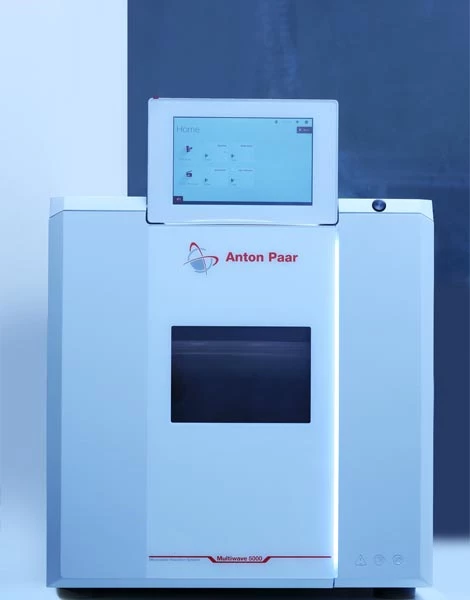
BPA testing helps assess the safety of plastics and food-contact materials with reliable laboratory analysis for compliance and quality control.
Frequently Asked Questions
-
What is testing the safety of Bisphenol A?
Testing the safety of Bisphenol A refers to laboratory analysis used to determine whether BPA is present in a product, material, or packaging component. This testing helps assess chemical safety, product suitability, and compliance expectations. It is especially important for plastics, food-contact materials, and consumer products intended for repeated or direct use.
-
Why is a BPA test important?
A BPA test is important because Bisphenol A may be present in certain plastics, coatings, and packaging materials used in consumer products. Testing helps businesses identify potential chemical risks before products reach the market. It also supports quality control, technical evaluation, and compliance planning for manufacturers, importers, and brand owners.
-
Which products need BPA safety testing?
BPA safety testing is commonly needed for plastic containers, food-contact materials, kitchenware, baby products, bottles, storage items, coatings, and other polymer-based goods. Products that come into contact with food or are used by sensitive consumer groups are especially relevant. The need for testing depends on material structure, intended use, and market expectations.
-
What does a BPA test laboratory do?
A BPA test laboratory analyzes samples to determine whether Bisphenol A is present and, where applicable, evaluates its level in the tested material. The laboratory uses appropriate analytical methods, prepares the sample, performs technical assessment, and issues a report. These results help companies make informed decisions about product safety and compliance requirements.
-
How is testing the safety of Bisphenol A performed?
Testing the safety of Bisphenol A is performed by taking a representative sample and analyzing it in a laboratory using validated methods suitable for the material type. The process may include sample preparation, extraction, instrumental measurement, and result evaluation. Final findings are interpreted according to applicable limits, customer requirements, or internal quality criteria.
-
Why do manufacturers use BPA test laboratory services?
Manufacturers use BPA test laboratory services to verify raw materials, review finished products, and reduce the risk of chemical non-conformity. Testing provides technical evidence that supports safer product development and better supply chain control. It is also useful for customer assurance, internal audits, and maintaining product quality across different production batches.
-
Which industries benefit from BPA testing?
BPA testing is relevant for the packaging, food-contact materials, plastics, consumer goods, childcare products, kitchenware, and household products industries. It is particularly useful in sectors where polymers, coatings, or repeated-use items are involved. These industries rely on testing to strengthen product safety programs and support customer or market-specific technical requirements.
-
Why is BPA testing important for food-contact materials?
BPA testing is important for food-contact materials because these products may come into direct contact with substances intended for consumption. Laboratory analysis helps companies assess whether the material is suitable for its intended application. This supports product safety evaluation, quality assurance, and better preparation for customer reviews or market entry requirements.
-
When should a BPA test be carried out?
A BPA test should ideally be carried out during product development, before mass production, before shipment, and whenever there is a material or supplier change. Testing at an early stage helps identify issues before they affect large production volumes. Regular verification also supports more stable compliance and quality performance over time.
-
What materials can be checked in a BPA test laboratory?
A BPA test laboratory can analyze plastics, coated materials, polymer-based products, containers, packaging components, household items, and other materials where Bisphenol A may be relevant. The exact method depends on the sample type and intended application. Both raw materials and finished products can be evaluated to support broader product safety assessment.
-
What documents may be needed for BPA safety testing?
For BPA safety testing, laboratories may request product descriptions, material composition details, intended use information, technical data sheets, sample identification, and any previous test records. These details help determine the correct analytical scope and method. Clear documentation improves testing efficiency and supports more accurate interpretation of laboratory findings.
-
How does a BPA test support quality control?
A BPA test supports quality control by helping companies verify that incoming materials and finished goods meet expected chemical safety criteria. It allows businesses to monitor suppliers, reduce the risk of non-compliant batches, and improve consistency in production. This contributes to fewer complaints, stronger customer confidence, and more reliable product performance.
-
Who should request testing the safety of Bisphenol A?
Testing the safety of Bisphenol A should be requested by manufacturers, importers, exporters, brand owners, sourcing companies, and retailers involved in plastic or food-contact products. It is especially useful for businesses supplying regulated markets or sensitive product categories. Testing helps these stakeholders make better decisions about safety, quality, and market readiness.
-
What affects the cost of BPA test laboratory services?
The cost of BPA test laboratory services depends on the sample type, material complexity, number of components, analytical method, reporting needs, and required turnaround time. Multi-layer or mixed-material products may need broader assessment. Additional documentation, urgent timelines, or repeat testing can also influence the final laboratory price and project scope.
-
What should companies consider before ordering a BPA test?
Before ordering a BPA test, companies should review the product material, intended use, target market, and whether individual components need separate analysis. Submitting representative samples and complete technical information is essential for reliable results. Early planning improves test relevance
Get in touch now
Contact our expert team for your R&D studies and testing needs, let's bring your projects to life together.