
Determination of Heavy Metals in Water
The determination of heavy metals in water is a critical analytical process used to assess drinking water, wastewater, industrial water, and environmental samples. Toxic elements such as lead, cadmium, mercury, and arsenic can pose serious risks to both human health and ecosystems, making accurate testing essential. Analytical methods are applied to detect and quantify these metals with precision, supporting environmental monitoring and legal compliance. Reliable heavy metal analysis helps identify contamination sources, improve water quality control, and guide corrective actions when needed. This testing is valuable for public health protection, industrial oversight, and sustainable environmental management across a wide range of applications.
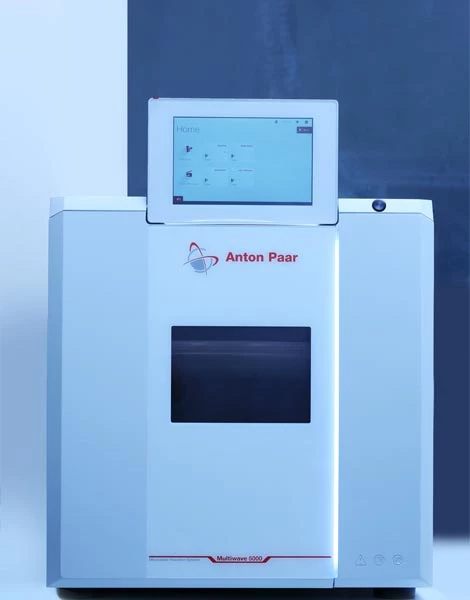
Determine heavy metals in water with analytical methods that support accurate detection, compliance, and environmental safety assessment.
Frequently Asked Questions
-
What is the determination of heavy metals in water?
The determination of heavy metals in water is a laboratory process used to identify and measure metals such as lead, cadmium, arsenic, mercury, chromium, and nickel in water samples. This analysis helps evaluate water quality, detect contamination, and support decisions related to safety, regulatory compliance, and environmental risk management across many sectors.
-
Why is heavy metals testing in water important?
Heavy metals testing in water is important because even low concentrations of certain metals can affect water quality, industrial performance, environmental conditions, and human use suitability. Regular testing helps detect contamination early, monitor changes in water sources, and support safer use of drinking water, process water, wastewater, and environmental water samples.
-
Which metals are commonly analyzed in water samples?
In the determination of heavy metals in water, commonly analyzed elements include lead, cadmium, mercury, arsenic, chromium, nickel, copper, zinc, iron, and manganese. The exact list depends on the sample type, intended use, and applicable requirements. Different industries and water sources may require different analytical scopes based on risk and regulatory expectations.
-
What analytical methods are used for heavy metals in water?
Analytical methods for heavy metals in water often include instrumental laboratory techniques designed to detect and quantify trace metal concentrations accurately. The chosen method depends on the target metals, required sensitivity, sample matrix, and reporting needs. Proper method selection is essential for obtaining reliable results and making technically sound interpretations of water quality.
-
How is the determination of heavy metals in water performed?
The determination of heavy metals in water is performed by collecting a representative sample, preparing it under controlled laboratory conditions, and analyzing it using suitable analytical methods. Sample handling, preservation, and preparation are critical for accuracy. The measured values are then evaluated against technical criteria, monitoring goals, or applicable water quality requirements.
-
Why are analytical methods important in water testing?
Analytical methods are important in water testing because the reliability of the final result depends heavily on the method used. Different metals require different detection capabilities, preparation steps, and sensitivity levels. Choosing the right analytical approach helps laboratories generate accurate, repeatable data and supports more informed decisions about water safety, treatment, and compliance
-
Which water types need heavy metal analysis?
Heavy metal analysis may be required for drinking water, groundwater, surface water, process water, wastewater, boiler water, cooling water, and environmental monitoring samples. The determination of heavy metals in water is especially valuable where contamination risks exist or where water quality directly affects human use, production efficiency, equipment reliability, or environmental discharge obligations.
-
When should heavy metals testing in water be carried out?
Heavy metals testing in water should be carried out during routine monitoring, before using a new water source, after treatment system changes, during environmental assessments, or when contamination is suspected. It is also useful before regulatory inspections or technical audits. Regular testing helps identify trends early and supports more proactive water quality management.
-
What affects the accuracy of heavy metals analysis in water?
The accuracy of heavy metals analysis in water can be affected by sample collection, storage conditions, preservation techniques, contamination during handling, matrix complexity, and method suitability. Reliable results depend on proper sampling procedures and laboratory control. Using representative samples and validated analytical methods greatly improves confidence in the final reported concentrations.
-
What do heavy metals test results in water show?
Heavy metals test results show which target metals are present in the water sample and at what concentration levels they were detected. In the determination of heavy metals in water, these results help assess contamination status, water suitability, and possible treatment needs. They also provide valuable technical data for monitoring, reporting, and quality evaluation purposes.
-
Which industries use heavy metals testing in water?
Heavy metals testing in water is widely used in environmental services, food production, pharmaceuticals, energy, chemicals, manufacturing, mining, agriculture, and water treatment industries. These sectors rely on analytical data to monitor water quality, manage process risks, and support internal or external requirements. Testing is also important for municipalities and facility management operations.
-
How does heavy metals testing support quality control?
Heavy metals testing supports quality control by helping organizations verify that water used in production, processing, or discharge remains within expected quality limits. It allows businesses to identify contamination issues, monitor supplier or source consistency, and improve process reliability. This contributes to reduced operational risk, better product quality, and stronger technical control systems.
-
Who should request the determination of heavy metals in water?
The determination of heavy metals in water may be requested by manufacturers, laboratories, municipalities, building managers, environmental consultants, treatment facilities, and private users. It is especially relevant for organizations that use water in sensitive processes or need to verify safety and quality. Testing helps these users make informed technical and operational decisions.
-
What affects the cost of analytical methods for water testing?
The cost of analytical methods for water testing depends on the number of target metals, sample type, matrix complexity, required detection limits, reporting scope, and turnaround time. A broader test package generally increases cost. Additional confirmation work, urgent requests, or repeated sampling programs can also influence the final laboratory price and project planning.
-
What should be considered before ordering heavy metals analysis in water?
Before ordering heavy metals analysis in water, it is important to define the water type, testing purpose, target metals, and any relevant technical or regulatory expectations. Proper sample collection and clear communication with the laboratory are also essential. Early planning improves method selection, supports accurate reporting, and helps avoid delays or incomplete analytical evaluation.
Get in touch now
Contact our expert team for your R&D studies and testing needs, let's bring your projects to life together.