
Alcohol Tests and Analysis
Alcohol testing and ethyl glucuronide analysis are important for accurate detection, quality control, and product verification across multiple industries. KCL Laboratory provides dependable alcohol testing services designed to identify and measure alcohol-related compounds with precision and speed. Ethyl glucuronide testing is widely used for sensitive alcohol detection, while broader alcohol analysis supports applications in healthcare, forensic, industrial, and laboratory settings. Reliable testing helps ensure compliance, improve safety, and support informed decision-making. With advanced analytical capabilities and a focus on accuracy, KCL delivers trusted alcohol test results that meet professional standards and help clients manage quality and risk effectively.
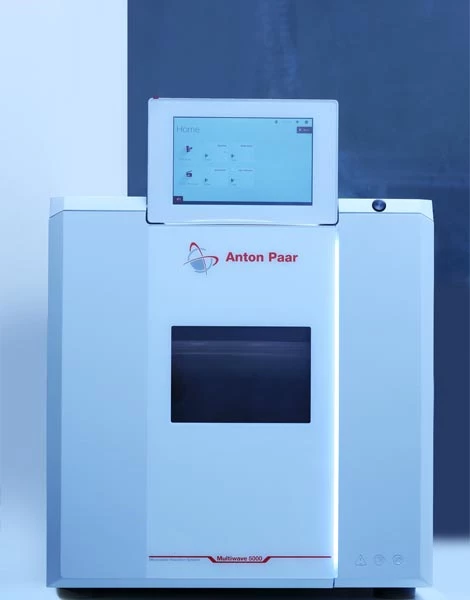
Ethyl glucuronide alcohol testing and analysis services for accurate detection. Trust KCL for fast, reliable laboratory results.
Frequently Asked Questions
-
What is alcohol analysis?
Alcohol analysis is a laboratory procedure used to determine the amount of ethanol or alcohol present in a sample. It is widely used in beverages, disinfectants, cosmetics, pharmaceuticals, and industrial products. The test supports accurate formulation, quality control, labeling verification, and compliance with applicable technical or regulatory requirements.
-
Why are alcohol tests important?
Alcohol tests are important because they confirm whether a product contains the declared alcohol content. Incorrect alcohol levels can affect product quality, performance, safety, and compliance. By measuring alcohol accurately, businesses can improve consistency, verify formulations, and reduce the risk of mislabeling or product-related disputes in the market.
-
Which products require alcohol analysis?
Alcohol analysis can be applied to alcoholic beverages, fermented products, hand sanitizers, disinfectants, colognes, cosmetics, pharmaceuticals, and industrial formulations. Any product where ethanol content affects quality, function, or labeling may require testing. The analysis helps ensure that the actual content aligns with product specifications and intended use.
-
How is alcohol testing performed?
Alcohol testing is performed using laboratory methods suitable for the type of sample being analyzed. The goal is to measure the ethanol concentration accurately and compare it with declared or target values. This provides reliable data for quality control, formulation checks, technical evaluation, and regulatory documentation when needed.
-
Why is alcohol analysis necessary for quality control?
Alcohol analysis is necessary for quality control because alcohol concentration often determines product performance and specification compliance. Small formulation errors can lead to inconsistent results across batches. Routine testing helps manufacturers confirm production accuracy, maintain product standards, and quickly identify deviations before products are released to the market.
-
Can alcohol tests verify product labeling?
Yes, alcohol tests can verify whether the alcohol content stated on a label matches the actual content found in the product. This is especially important for beverages, sanitizers, and alcohol-based formulations. Label verification supports consumer trust, reduces compliance risk, and helps companies demonstrate accuracy in product communication.
-
Why is alcohol analysis important for disinfectants?
Alcohol analysis is important for disinfectants because alcohol concentration directly affects expected product performance. If the ethanol level is too low or inconsistent, the formulation may not meet intended technical requirements. Laboratory testing helps manufacturers confirm formulation accuracy and maintain product consistency in line with quality and market expectations.
-
Are alcohol tests useful for fermented products?
Yes, alcohol tests are useful for fermented products because alcohol can form naturally during processing and storage. Measuring that content helps manufacturers classify products correctly, manage labeling requirements, and monitor consistency. It is a valuable analytical step for quality control in food and beverage applications involving fermentation processes.
-
What industries use alcohol analysis?
Alcohol analysis is used in the food and beverage, pharmaceutical, cosmetic, personal care, chemical, and hygiene product industries. It is relevant wherever ethanol content influences product quality, efficacy, or compliance. The test supports both development and routine control processes, making it a versatile tool across many manufacturing sectors.
-
What do alcohol test results show?
Alcohol test results show the measured ethanol concentration in a sample and whether it aligns with declared or target values. These results are used for product validation, quality control, technical review, and compliance support. Reliable data allows businesses to assess consistency and make informed decisions about production performance and labeling.
-
Can alcohol analysis support regulatory compliance?
Yes, alcohol analysis can support regulatory compliance by providing laboratory evidence of actual alcohol content. In many sectors, correct product labeling and formulation accuracy are essential. Testing helps companies prepare for inspections, document product conformity, and reduce the risk of non-compliance related to alcohol concentration or misleading declarations.
-
Why should manufacturers perform routine alcohol testing?
Manufacturers should perform routine alcohol testing to maintain batch consistency, verify formulation accuracy, and detect deviations early in production. Regular analysis supports stable product quality and helps prevent errors that may affect labeling, performance, or customer satisfaction. It is an effective way to strengthen overall manufacturing control.
-
Can alcohol tests help during product development?
Yes, alcohol tests are useful during product development because they allow teams to confirm whether trial formulations meet target alcohol levels. This supports formulation refinement, performance evaluation, and technical decision-making before full-scale production begins. Reliable alcohol analysis helps reduce development risks and improves confidence in the final product design.
-
Who should request alcohol analysis?
Alcohol analysis is valuable for manufacturers, formulators, quality assurance teams, exporters, importers, private label brands, and technical laboratories. Any organization responsible for alcohol-containing products can benefit from testing. It is particularly relevant when product consistency, labeling accuracy, regulatory support, and documented quality verification are important business needs.
-
Why should alcohol analysis be conducted by a qualified laboratory?
Alcohol analysis should be conducted by a qualified laboratory because accurate results depend on proper methods, suitable instrumentation, and expert evaluation. A professional laboratory can produce dependable, traceable data that supports quality control and compliance objectives. This reduces uncertainty and helps businesses make decisions based on credible analytical evidence.
Get in touch now
Contact our expert team for your R&D studies and testing needs, let's bring your projects to life together.