
SWAB Testing
SWAB testing for microbiological analysis is essential for monitoring surface hygiene and detecting microbial contamination in controlled environments. KCL Laboratory offers reliable SWAB testing services for production areas, equipment, staff contact points, and other critical surfaces across food, pharmaceutical, cosmetic, and healthcare industries. These tests support hygiene validation, cleaning verification, and contamination control processes that are vital to product quality and safety. Regular microbiological SWAB analysis helps businesses reduce cross-contamination risks, improve sanitation performance, and maintain compliance with industry standards. KCL provides accurate, timely, and trustworthy laboratory results to support effective quality assurance and environmental monitoring programs.
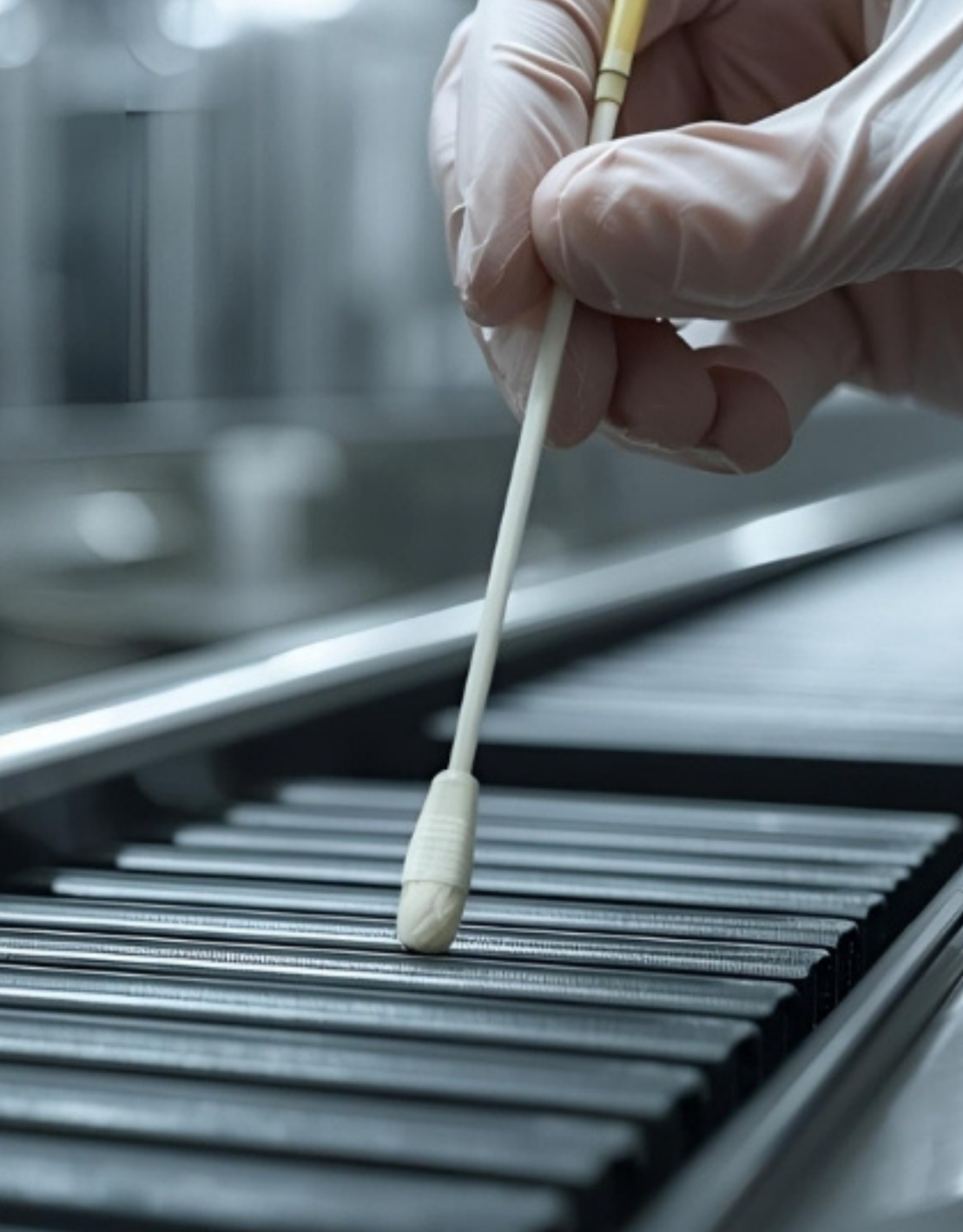
SWAB testing for microbiological analysis helps verify hygiene and contamination control with fast, reliable laboratory results.
Frequently Asked Questions
-
What is SWAB testing for microbiological analysis?
SWAB testing for microbiological analysis is a method used to collect samples from surfaces in order to assess hygiene status and microbial contamination risk. It is widely used to verify cleaning effectiveness in controlled environments.
-
Why is SWAB testing important for microbiological analysis?
SWAB testing is important because it helps identify hygiene failures, monitor surface cleanliness, and detect possible contamination before it affects product quality or safety. It is a key part of preventive quality control.
-
Where can SWAB testing for microbiological analysis be applied?
SWAB testing for microbiological analysis can be applied to production surfaces, equipment, filling lines, workstations, packaging areas, and other contact points where hygiene monitoring is necessary.
-
How is a SWAB testing sample collected for microbiological analysis?
A defined surface area is sampled using sterile swab materials under controlled conditions. Proper sampling technique is essential because it directly affects the reliability and interpretation of the microbiological analysis.
-
Which industries use SWAB testing for microbiological analysis?
SWAB testing for microbiological analysis is commonly used in the food, beverage, cosmetics, pharmaceutical, healthcare, and packaging industries. Any sector requiring hygiene verification can benefit from this type of testing.
-
Can SWAB testing detect microbiological contamination on surfaces?
Yes, SWAB testing is designed to help detect microbiological contamination on surfaces. It can provide useful information about the presence of microorganisms and the effectiveness of cleaning and sanitation practices.
-
How often should SWAB testing for microbiological analysis be performed?
The testing frequency depends on the production environment, contamination risk, cleaning schedule, and quality management plan. Regular SWAB testing helps maintain consistent hygiene monitoring over time.
-
What does SWAB testing for microbiological analysis show about cleaning performance?
SWAB testing provides evidence on whether cleaning and sanitation procedures are working effectively. It helps identify problem areas, recurring contamination risks, and surfaces that may require corrective action.
-
Is SWAB testing for microbiological analysis suitable for routine quality control?
Yes, SWAB testing is highly suitable for routine quality control because it supports ongoing hygiene verification and helps facilities maintain better control over surface contamination risks.
-
How long does SWAB testing for microbiological analysis take?
The turnaround time depends on the test scope and the type of microbiological parameters requested. Some analyses may be completed faster, while culture-based evaluations may require additional incubation time.
-
What surfaces should be prioritized in SWAB testing for microbiological analysis?
Priority is usually given to food-contact surfaces, high-touch areas, critical equipment, and locations with a higher contamination risk. A risk-based approach is recommended when planning SWAB testing.
-
Can SWAB testing be used after cleaning validation?
Yes, SWAB testing is frequently used after cleaning procedures to verify whether the sanitation step has been effective. It supports cleaning validation and ongoing hygiene assurance programs.
-
What happens if SWAB testing for microbiological analysis shows unsatisfactory results?
If results are unsatisfactory, cleaning and sanitation procedures should be reviewed, potential contamination sources should be investigated, and corrective actions should be implemented before retesting.
-
What factors influence the cost of SWAB testing for microbiological analysis?
The cost depends on the number of swab points, the microbiological parameters requested, the sampling plan, and the reporting scope. More extensive monitoring programs may require broader analysis.
-
Why should businesses include SWAB testing in their microbiological analysis program?
Businesses should include SWAB testing in their microbiological analysis program because it strengthens hygiene monitoring, supports quality assurance, reduces contamination risk, and improves confidence in production controls.
Get in touch now
Contact our expert team for your R&D studies and testing needs, let's bring your projects to life together.