
Antifungal Susceptibility Testing
Antifungal susceptibility testing is an essential laboratory service for evaluating how fungal organisms respond to specific antifungal agents. KCL Testing Service provides accurate and reliable antifungal analysis to support product development, research, quality control, and clinical or industrial applications. These tests help determine resistance patterns, assess treatment or formulation effectiveness, and guide better decision-making in microbiological evaluation processes. Antifungal testing is especially valuable for pharmaceutical, cosmetic, medical, and biotechnological fields where microbial control is critical. With professional laboratory expertise and dependable reporting, KCL supports clients with timely results and high-quality testing solutions tailored to antifungal performance assessment needs.
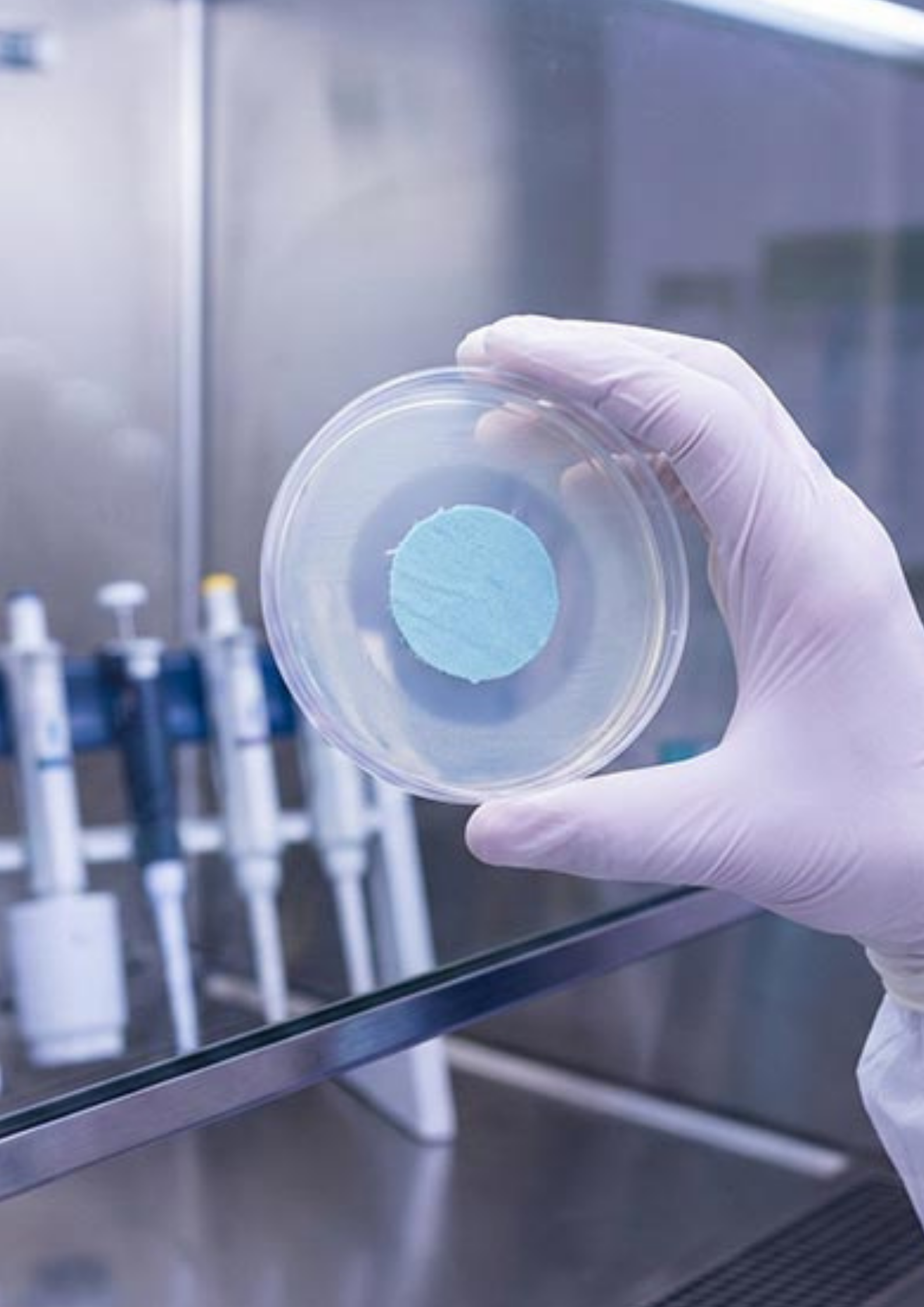
Antifungal susceptibility testing services to assess effectiveness and resistance with accurate, reliable results from KCL.
Frequently Asked Questions
-
What is antifungal susceptibility testing?
Antifungal susceptibility testing is performed to evaluate how a fungal microorganism responds to antifungal agents. It helps determine the level of susceptibility or reduced response under defined testing conditions.
-
Why is antifungal susceptibility testing important?
Antifungal susceptibility testing is important because it provides data on the effectiveness of antifungal agents against target fungal organisms. This information supports evaluation, comparison, and decision-making in laboratory studies.
-
Which microorganisms can be evaluated with antifungal susceptibility testing?
Antifungal susceptibility testing can be used for various fungal microorganisms, including yeasts and molds. The exact test scope depends on the target organism and the purpose of the analysis.
-
How is antifungal susceptibility testing performed?
Antifungal susceptibility testing is performed using suitable laboratory methods selected according to the sample, organism, and analytical objective. The test design is tailored to the requested evaluation.
-
In which sectors is antifungal susceptibility testing used?
Antifungal susceptibility testing is relevant for pharmaceutical, cosmetics, biotechnology, research, healthcare-related, and product development sectors where fungal response evaluation is required.
-
Can antifungal susceptibility testing support product development studies?
Yes, antifungal susceptibility testing can support product development by helping compare formulations, assess active ingredients, and generate data for performance-related evaluation.
-
What is the difference between antifungal susceptibility testing and general antifungal analysis?
General antifungal analysis may focus on overall antifungal performance, while antifungal susceptibility testing specifically examines how a target fungal organism responds to an antifungal agent under controlled conditions.
-
How long does antifungal susceptibility testing take?
The turnaround time depends on the fungal organism, method used, incubation needs, and testing scope. Since fungal growth must often be monitored, some studies may require longer observation periods.
-
Why choose a professional laboratory for antifungal susceptibility testing?
A professional laboratory provides controlled testing conditions, technical expertise, and structured reporting processes that support reliable antifungal susceptibility testing and consistent result interpretation.
-
What factors affect the cost of antifungal susceptibility testing?
The cost may vary based on sample number, number of fungal strains, test design, method complexity, and the level of detail required in the final report.
-
Can antifungal susceptibility testing compare multiple antifungal agents?
Yes, antifungal susceptibility testing can be designed to compare multiple antifungal agents or formulations under the same test conditions, allowing more objective performance evaluation.
-
How should samples be submitted for antifungal susceptibility testing?
Samples should be sent in appropriate packaging, clearly labeled, and protected to maintain integrity during transport. Any relevant background information should also be provided to support proper evaluation.
-
What does antifungal susceptibility testing show in a laboratory report?
A laboratory report for antifungal susceptibility testing generally presents the evaluated response of the fungal microorganism under the defined test conditions, along with the scope and interpretation of the analysis.
-
Is antifungal susceptibility testing useful for routine quality control?
Yes, antifungal susceptibility testing can be useful in quality-related studies where fungal response data is needed to verify consistency, compare performance, or support technical decision-making.
-
How does antifungal susceptibility testing add value to customers?
Antifungal susceptibility testing adds value by providing meaningful laboratory data for product evaluation, research support, performance comparison, and quality-focused analytical decision-making.
Get in touch now
Contact our expert team for your R&D studies and testing needs, let's bring your projects to life together.