
Antifungal Susceptibility Testing
Antifungal susceptibility testing is an essential laboratory service for evaluating how fungal organisms respond to specific antifungal agents. KCL Testing Service provides accurate and reliable antifungal analysis to support product development, research, quality control, and clinical or industrial applications. These tests help determine resistance patterns, assess treatment or formulation effectiveness, and guide better decision-making in microbiological evaluation processes. Antifungal testing is especially valuable for pharmaceutical, cosmetic, medical, and biotechnological fields where microbial control is critical. With professional laboratory expertise and dependable reporting, KCL supports clients with timely results and high-quality testing solutions tailored to antifungal performance assessment needs.
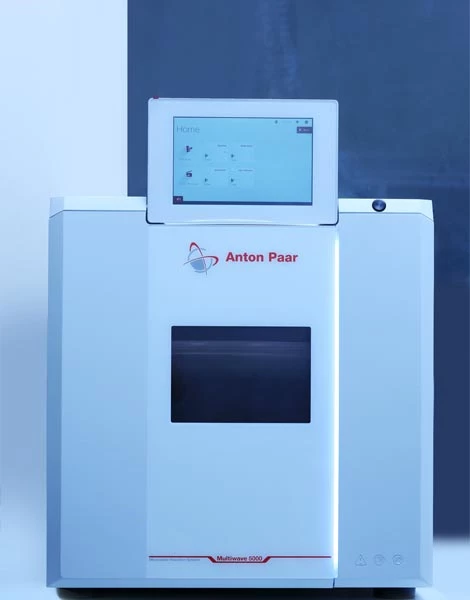
Antifungal susceptibility testing services to assess effectiveness and resistance with accurate, reliable results from KCL.
Frequently Asked Questions
-
What is antifungal susceptibility testing?
Antifungal susceptibility testing is a laboratory method used to determine how sensitive a fungal organism is to specific antifungal agents. It helps evaluate whether a substance or treatment is likely to be effective. The test is widely used in research, product development, and technical assessment involving fungi and yeasts.
-
Why is antifungal susceptibility testing important?
Antifungal susceptibility testing is important because it shows how fungal strains respond to different antifungal compounds. This information supports better technical decisions, more effective formulation development, and stronger product evaluation. It is especially useful when performance, resistance patterns, or comparative effectiveness must be understood with reliable laboratory data.
-
What does antifungal susceptibility testing measure?
Antifungal susceptibility testing measures the response of fungi or yeasts to selected antifungal agents under controlled laboratory conditions. The results indicate whether the organism appears more susceptible or less responsive to a given substance. These findings help guide evaluation, optimization, and scientific understanding of antifungal activity.
-
Which industries use antifungal susceptibility testing?
Antifungal susceptibility testing is used in pharmaceutical, cosmetic, biotechnology, medical device, personal care, and research sectors. It is especially valuable for organizations developing or evaluating products intended to control fungal growth. The test provides scientific support for performance assessment and can strengthen technical documentation during product development.
-
How is antifungal susceptibility testing performed?
Antifungal susceptibility testing is performed by exposing selected fungal organisms to antifungal agents under standardized laboratory conditions. The organism’s response is then evaluated to determine relative sensitivity. The exact method depends on the sample type, target organism, and testing objective, but the goal is always reliable and interpretable performance data.
-
What is the benefit of antifungal susceptibility testing in product development?
In product development, antifungal susceptibility testing helps determine whether a formulation or active ingredient performs effectively against selected fungi. This makes it easier to compare options, optimize compositions, and support technical claims. The analysis can reduce development uncertainty and provide evidence-based direction during research and formulation improvement stages.
-
Can antifungal susceptibility testing be used in cosmetics?
Yes, antifungal susceptibility testing can be useful in cosmetics, particularly when evaluating ingredients or formulations designed to support microbiological stability or fungal control. It helps developers assess product performance in a more scientific way. This can improve formulation decisions and strengthen quality assurance for products exposed to moisture-sensitive conditions.
-
Is antifungal susceptibility testing relevant for pharmaceutical research?
Yes, antifungal susceptibility testing is highly relevant for pharmaceutical research. It helps evaluate how fungal organisms respond to candidate antifungal compounds and supports the comparison of different active agents. This information is important during screening, optimization, and technical assessment phases where performance data influences research direction and development strategy.
-
What is the difference between antifungal activity and susceptibility testing?
Antifungal activity testing generally evaluates whether a product or substance can inhibit fungal growth, while antifungal susceptibility testing focuses on how a specific fungal organism responds to particular antifungal agents. One is often product-centered, the other organism-centered. Together, they provide a broader understanding of antifungal performance and effectiveness.
-
Which microorganisms can be included in antifungal susceptibility testing?
Antifungal susceptibility testing can be performed on selected fungi and yeast species depending on the purpose of the analysis. The chosen microorganism should reflect the intended application, risk profile, or research target. Selecting appropriate strains is important because it directly affects the relevance and usefulness of the final test results.
-
How does antifungal susceptibility testing support quality evaluation?
Antifungal susceptibility testing supports quality evaluation by providing measurable data on how fungal organisms respond to tested substances. This helps confirm whether a product, ingredient, or formulation performs as expected. The results can be used to improve technical consistency, compare alternatives, and support evidence-based decisions in quality-focused development processes.
-
Can antifungal susceptibility testing help compare formulations?
Yes, antifungal susceptibility testing is useful for comparing formulations because it reveals how fungal strains respond to different ingredients or product versions. This makes it easier to identify stronger candidates and optimize compositions. Comparative testing is especially valuable in research and development environments where performance differences must be clearly demonstrated.
-
Why should antifungal susceptibility testing be done in a laboratory?
Antifungal susceptibility testing should be done in a laboratory because it requires controlled conditions, appropriate fungal strains, standardized methods, and careful interpretation. Inaccurate handling can lead to misleading results. A professional laboratory ensures that the testing process is reliable, reproducible, and suitable for technical evaluation and development decisions.
-
Who should request antifungal susceptibility testing?
Antifungal susceptibility testing is useful for pharmaceutical companies, cosmetic manufacturers, R&D teams, biotechnology firms, academic researchers, and quality laboratories. Any organization working with antifungal ingredients, formulations, or fungal performance evaluation can benefit from this analysis. It is particularly valuable where scientific validation and comparative testing are important.
-
What are the business benefits of antifungal susceptibility testing?
Antifungal susceptibility testing helps businesses make more informed development decisions, improve formulation performance, strengthen technical documentation, and reduce uncertainty in product evaluation. It also supports evidence-based claims and quality positioning. For companies operating in competitive, science-driven markets, the analysis can contribute to stronger product confidence and market credibility.
Get in touch now
Contact our expert team for your R&D studies and testing needs, let's bring your projects to life together.