
SWAB Testing
SWAB testing for microbiological analysis is essential for monitoring surface hygiene and detecting microbial contamination in controlled environments. KCL Laboratory offers reliable SWAB testing services for production areas, equipment, staff contact points, and other critical surfaces across food, pharmaceutical, cosmetic, and healthcare industries. These tests support hygiene validation, cleaning verification, and contamination control processes that are vital to product quality and safety. Regular microbiological SWAB analysis helps businesses reduce cross-contamination risks, improve sanitation performance, and maintain compliance with industry standards. KCL provides accurate, timely, and trustworthy laboratory results to support effective quality assurance and environmental monitoring programs.
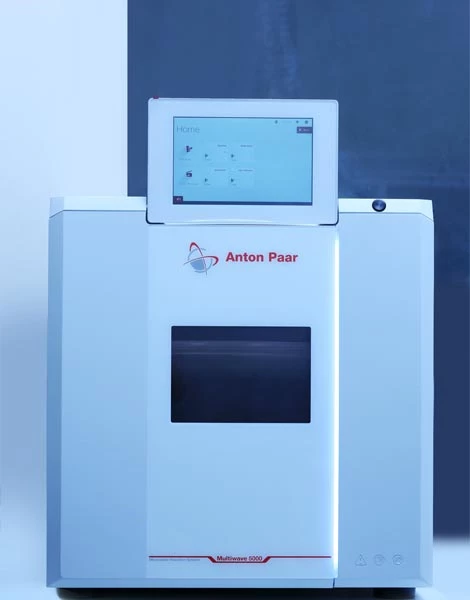
SWAB testing for microbiological analysis helps verify hygiene and contamination control with fast, reliable laboratory results.
Frequently Asked Questions
-
What is SWAB testing?
SWAB testing is a sampling and analysis method used to evaluate the cleanliness of surfaces, equipment, and production areas. It helps detect microbial contamination, organic residues, or insufficient cleaning. SWAB analyses are widely used in food, pharmaceutical, healthcare, and manufacturing environments where hygiene monitoring is essential for quality and safety.
-
Why is SWAB testing important?
SWAB testing is important because visible cleanliness does not always mean a surface is hygienically safe. The test helps reveal hidden contamination or residues that may cause cross-contamination or compromise product quality. It supports cleaning verification, hygiene monitoring, and preventive quality management in regulated production and processing environments.
-
Where is SWAB testing commonly used?
SWAB testing is commonly used in food processing plants, pharmaceutical facilities, laboratories, hospitals, cosmetic manufacturing sites, and commercial kitchens. It can be applied anywhere surface hygiene matters. The method helps businesses monitor sanitation practices, verify cleaning effectiveness, and reduce contamination risks in critical operational areas.
-
What surfaces can be tested with SWAB analysis?
SWAB analysis can be used on stainless steel equipment, workbenches, conveyors, tanks, packaging lines, door handles, cutting tools, and employee contact points. It is suitable for a wide range of hard surfaces in production and hygiene-controlled environments. The goal is to assess whether cleaning procedures are effectively removing contamination.
-
What does SWAB testing detect?
SWAB testing can detect microbial presence, organic residues, and signs of insufficient sanitation depending on the method used. It is designed to assess whether surfaces are clean enough for safe operation. These results help organizations identify hygiene risks, improve cleaning protocols, and maintain more controlled production conditions.
-
How does SWAB testing support hygiene control?
SWAB testing supports hygiene control by providing measurable evidence of surface cleanliness after sanitation procedures. Instead of relying only on visual inspection, businesses can use analytical results to evaluate hygiene performance. This helps identify weak points in cleaning routines and supports a more consistent, documented sanitation management system.
-
Why is SWAB testing used in the food industry?
In the food industry, SWAB testing is used to verify the cleanliness of production surfaces and equipment that may come into contact with food. It helps prevent cross-contamination, supports food safety systems, and improves operational hygiene. Routine SWAB analyses are valuable for protecting product quality and meeting inspection expectations.
-
Is SWAB testing useful in pharmaceutical production?
Yes, SWAB testing is highly useful in pharmaceutical production because equipment and surfaces must meet strict cleanliness requirements. The analysis helps verify sanitation and supports cleaning validation programs. It reduces the risk of product carryover, contamination, and compliance issues, making it a critical tool in controlled manufacturing environments.
-
How often should SWAB analyses be performed?
SWAB analyses should be performed regularly as part of a routine hygiene monitoring plan. The ideal frequency depends on production intensity, risk level, equipment use, and regulatory expectations. Consistent testing helps detect hygiene failures early, track sanitation performance over time, and support continuous improvement in cleaning and quality systems.
-
Can SWAB testing help prevent cross-contamination?
Yes, SWAB testing can help prevent cross-contamination by identifying residues or microorganisms left behind after cleaning. While the test itself does not remove contamination, it provides early warning that sanitation may be insufficient. This allows corrective action before contamination affects products, equipment, or subsequent production batches.
-
How does SWAB analysis improve quality assurance?
SWAB analysis improves quality assurance by giving businesses objective data on hygiene and sanitation performance. It helps verify whether cleaning procedures are working as intended and highlights areas needing improvement. These insights strengthen risk control, support audit readiness, and contribute to more reliable product safety and production quality outcomes.
-
Can SWAB testing be part of audit preparation?
Yes, SWAB testing can be an important part of audit preparation. Regular hygiene monitoring records demonstrate that a company is actively verifying cleaning effectiveness and managing contamination risks. This documentation can support internal reviews, customer audits, and regulatory inspections by showing that sanitation controls are evidence-based and consistently applied.
-
What are the benefits of routine SWAB testing?
Routine SWAB testing helps identify sanitation issues early, improve cleaning procedures, reduce contamination risk, and strengthen compliance readiness. It also supports better process control and can lower the likelihood of product quality failures. For many facilities, regular SWAB analyses are a practical investment in safety, consistency, and operational confidence.
-
Who should use SWAB analyses?
SWAB analyses are useful for food manufacturers, pharmaceutical companies, healthcare facilities, cosmetic producers, laboratories, restaurants, and contract manufacturers. Any business that depends on clean production or contact surfaces can benefit from routine testing. It is especially relevant where hygiene verification, compliance, and contamination control are critical operational priorities.
-
Why should SWAB testing be done by a professional laboratory?
SWAB testing should be done by a professional laboratory because reliable results depend on proper sampling technique, suitable analytical methods, and accurate interpretation. An experienced laboratory can provide meaningful, traceable data that supports hygiene decisions. This ensures the findings are dependable and useful for quality, safety, and compliance purposes.
Get in touch now
Contact our expert team for your R&D studies and testing needs, let's bring your projects to life together.