
How Long Does Heavy Metal Analysis Take?
How Long Does Heavy Metal Analysis Take?
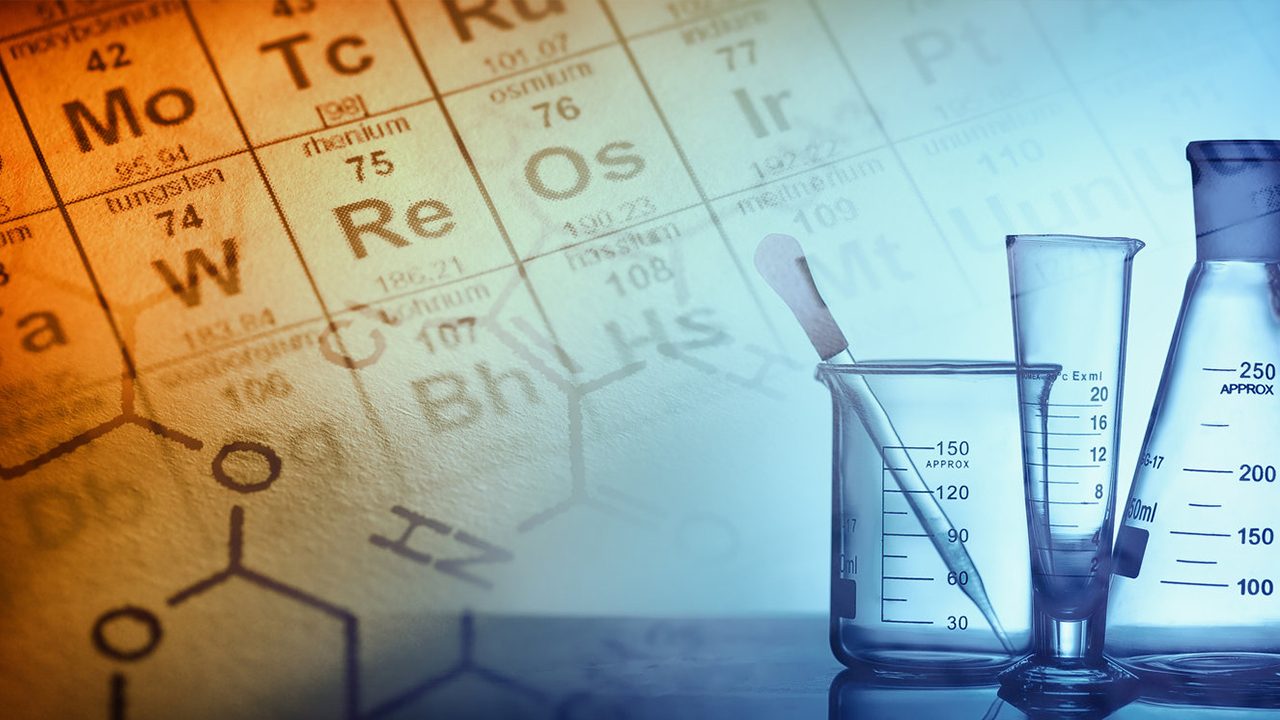
Heavy metal analysis is one of the most important laboratory tests performed to detect metal elements that may pose a risk to human health in food, water, feed, cosmetics, pharmaceuticals, and environmental samples. Determining the presence of heavy metals such as lead, cadmium, arsenic, mercury, nickel, and chromium is crucial for product safety and compliance with regulatory requirements. One of the most frequently asked questions by companies and organizations seeking heavy metal testing services is: “How long does heavy metal analysis take?”
Factors Affecting the Duration of Heavy Metal Analysis
The turnaround time for heavy metal analysis can vary depending on several factors. The type of sample, the number of parameters to be analyzed, the analytical technology used, and the laboratory’s workload all directly influence the completion time.
For example, heavy metal testing in drinking water, wastewater, food products, animal feed, or cosmetics may require different sample preparation procedures. After a sample is received by the laboratory, pre-treatment processes, digestion procedures, instrumental analysis, quality control checks, and reporting stages must all be completed.
As a result, the analysis time may vary from one sample to another.
How Many Days Does Heavy Metal Analysis Typically Take?
Under standard conditions, heavy metal analyses are generally completed within 3 to 7 business days. However, the turnaround time may be longer when the scope of the analysis is extensive or when a large number of elements need to be tested.
In some cases, clients may require urgent testing services. Depending on the laboratory’s technical capacity, expedited analysis options may be available, allowing results to be delivered in a shorter timeframe.
For situations involving export procedures, regulatory inspections, or uninterrupted production processes, it is advisable to contact the laboratory in advance to discuss priority testing requirements.
How Does ICP-MS Technology Affect Analysis Time?
One of the most widely used techniques for heavy metal analysis today is ICP-MS (Inductively Coupled Plasma Mass Spectrometry). This advanced technology enables the accurate and reliable detection of trace levels of metal elements.
Because ICP-MS instruments offer high analytical throughput, they help laboratories perform analyses more efficiently. The ability to measure multiple elements simultaneously within a single run significantly reduces turnaround times.
Elements such as Lead (Pb), Cadmium (Cd), Arsenic (As), Mercury (Hg), Nickel (Ni), Chromium (Cr), Copper (Cu), and Zinc (Zn) can be analyzed with high precision using ICP-MS technology.
How Long Does Heavy Metal Analysis Take in Food Products?
Heavy metal testing in food products may require different preparation procedures depending on the nature of the sample. Fruits, vegetables, spices, grains, dairy products, meat products, and processed foods typically undergo sample preparation before analysis.
Since samples must be homogenized and prepared appropriately for laboratory testing, food analyses generally take several business days to complete.
For food manufacturers, heavy metal testing is critical for ensuring product safety and regulatory compliance. Regular testing helps protect consumer health while also supporting reliable results for export activities.
Turnaround Time for Heavy Metal Analysis in Water Samples
Heavy metal analyses performed on drinking water, utility water, surface water, and wastewater samples can often be completed more quickly. This is because liquid samples usually require less preparation than certain solid materials.
Testing water samples for lead, arsenic, cadmium, mercury, and other heavy metals is essential for protecting public health, assessing environmental risks, and meeting legal requirements.
How Does the Process Work in Accredited Laboratories?
Heavy metal analyses conducted in accredited laboratories are carried out in accordance with established quality standards. Every stage of the process, from sample acceptance to final reporting, is documented and monitored through quality control procedures.
These measures enhance the accuracy and reliability of test results while ensuring that timelines are managed systematically. As part of accreditation requirements, each stage of the analytical process is carefully monitored and verified.
Why Are Heavy Metal Analysis Results Important?
Heavy metals can accumulate in the human body and may cause serious health problems over time. Therefore, regular monitoring of heavy metal levels in food, water, and other products is essential.
Heavy metal analyses help determine whether products comply with national and international regulations. They also enable manufacturers to maintain product quality standards and provide safer products to consumers.
Conclusion
The answer to the question, “How long does heavy metal analysis take?” depends on the type of sample, the scope of the analysis, and the analytical method used. In general, heavy metal testing is completed within 3 to 7 business days. Advanced technologies such as ICP-MS enable highly sensitive and reliable analyses while also helping laboratories deliver results more efficiently. For precise information regarding the turnaround time for your specific sample, it is recommended to contact an accredited laboratory directly.